San Diego’s housing shortage shows up in rent checks, construction budgets, and neighborhood meetings.
Rents stay high, construction costs remain heavy, and the city needs to add homes without turning every planning commission meeting into a battle. In this environment, some capital is shifting toward small-scale multifamily development: projects in the 2 to 20 unit range like duplexes, triplexes, fourplexes, and courtyard apartments.
Thanks for reading! Subscribe for free to receive new posts and support my work.
This segment sits between single-family homes and large apartment buildings. In 2025, it’s become one of the cleaner ways to add housing while still earning an acceptable return, though it’s far from a guarantee.
1. ADUs Are Maturing, Not Disappearing
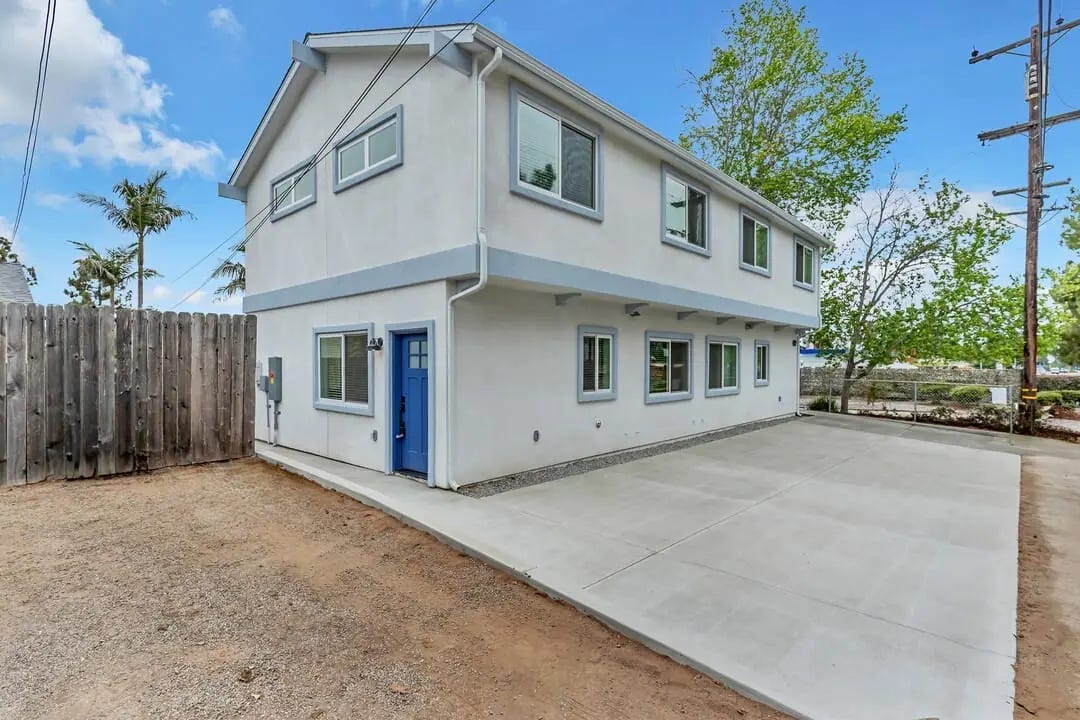
Over the past few years, accessory dwelling units have gone from niche to normal.
Across the region, nearly 4,000 ADUs were permitted in 2024, roughly 27% of all new homes. Inside city limits, San Diego permitted around 8,800 homes last year, and more than 2,200 were ADUs. Many more units came through density programs like Complete Communities.
But the early “anything goes” phase is ending.
In June 2025, the City Council scaled back the bonus ADU program after neighborhood pushback over backyard apartment buildings appearing on traditional single-family streets. A reform package followed with new fees, added parking requirements in certain areas, and limits on bonus units in places like cul-de-sacs and high fire zones.
The message is clear. Backyard housing remains part of the solution, but it’s meant to be gentle infill, not a twelve-unit box tucked behind a bungalow.
For investors, that clarity helps. Policy still supports additional units, but the most extreme bonus plays are less likely to dominate the landscape.
2. New Rules Favor Small Infill Projects
While ADUs grabbed headlines, the more interesting development for investors is in small multifamily infill on standard lots.
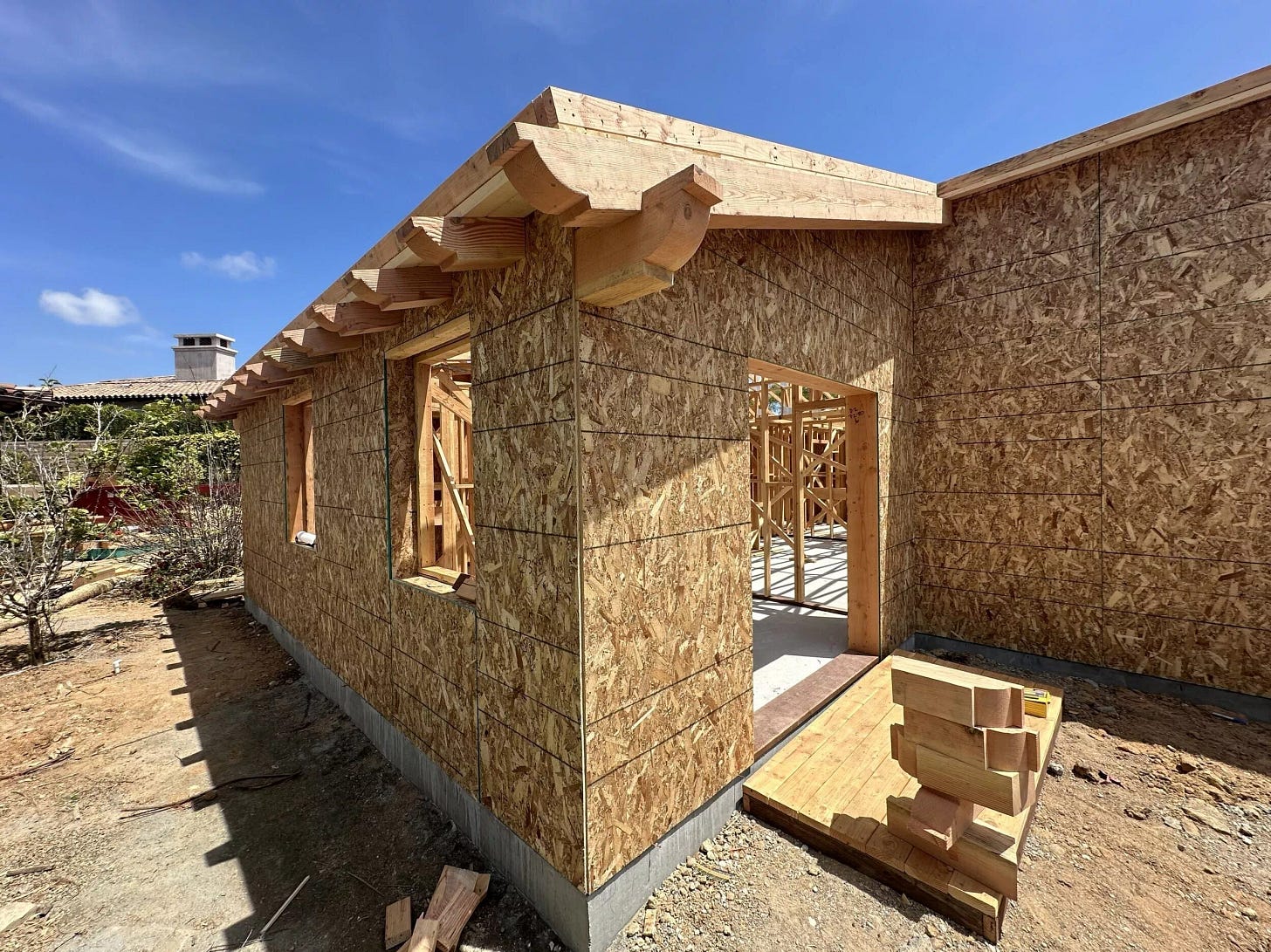
The city is revising its Land Development Code to make infill easier. The 2025 update emphasizes modest multi-unit buildings in existing neighborhoods, especially near transit corridors. Community plans and Complete Communities tools are channeling growth toward locations that can handle it.
State law is reinforcing this direction. Senate Bill 684 and its follow-up SB 1123 create a streamlined, ministerial approval path for projects with ten or fewer homes on small urban sites under five acres. San Diego has issued guidance confirming these projects can move through approvals at the lowest level when they meet the criteria.
In plain terms, a four to ten unit infill project on a qualifying lot can advance through approvals with fewer hearings and less discretionary risk. That’s a sharp contrast to large podium or high-rise projects that face complex entitlements, higher scrutiny, and volatile costs.
3. The Fundamentals Support This Scale
Market conditions also favor small-scale multifamily, relatively speaking.
San Diego remains one of the stronger multifamily markets in California. Vacancy sits in a healthy range, and demand is expected to hold up better than many other large metros. In jurisdictions across the county, ADUs now account for 30 to 45% of new permits, a sign of how difficult it’s become to make large projects pencil under current cost and rate conditions.
Renters continue seeking central, walkable neighborhoods. Many prefer buildings that feel like a small community rather than a tower. A clean, well-designed 4 to 10 unit property in a good location isn’t competing directly with a 300-unit lease-up that depends on heavy marketing and deep concessions.
The main risk at this scale is execution, not demand. If you acquire land at a sensible basis, design with the site’s incentives in mind, and manage the project carefully, the market can absorb the finished product. But all three of those conditions need to be met.
4. The Exit Market Is Broad and Competitive
Completed small multifamily projects in desirable San Diego locations attract several buyer types:
1031 exchange investors seeking newer or fully upgraded assets they can hold long-term
High-net-worth local families who favor 2 to 8 unit buildings they can self-manage or monitor closely
Smaller funds and partnerships that want institutional-quality assets without the operational complexity of a mid-rise
Because supply is limited and demand spans multiple profiles, well-executed small properties in strong neighborhoods often command a premium price per unit compared to older, larger complexes that need heavy repositioning.
5. The Numbers Still Have to Work
Policy and demand alone don’t guarantee success.
Construction remains expensive. Financing has improved from prior peaks but still isn’t cheap. Statewide, multi-unit permits fell in 2024 despite new laws designed to accelerate production. Incentives help, but they don’t erase hard costs or interest expense.
Small-scale projects tend to perform when three basic elements align:
Land is acquired at a realistic basis
The design takes full advantage of incentives that apply to the specific site
The scope is disciplined enough that budgets and timelines are credible
If any piece is missing, the project can look compelling in a pitch deck and still underperform in practice.
The Opportunity
The most compelling opportunities in San Diego’s current housing cycle aren’t necessarily the largest buildings on the skyline.
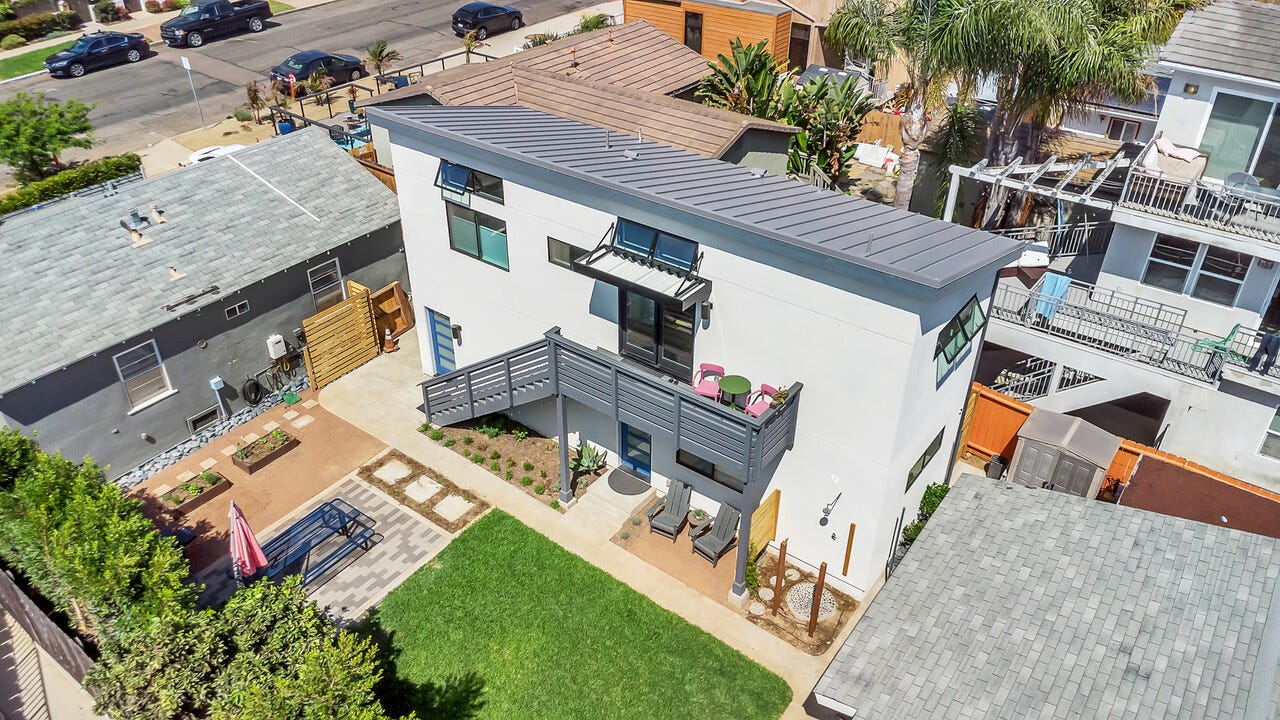
They’re often the small multifamily projects that take a standard lot and turn it into three, four, eight, or ten well-built homes. These projects sit in the policy sweet spot, can respect the neighborhoods around them, and deliver housing the market needs.
If you’re studying your next move in San Diego, this segment deserves attention. Small-scale infill offers regulatory support, reasonable demand, and real exit options. But it still requires discipline, realistic underwriting, and careful execution in a city where building anything remains difficult.
Thanks for reading! Subscribe for free to receive new posts and support my work.
