The "Hawkish Cut"
What today's Fed decision actually signals for multifamily investors in 2026
By Nick Hernandez ·

The Fed cut rates by 25 basis points today. No surprise there. The target range now sits at 3.50% to 3.75%, right where everyone expected.
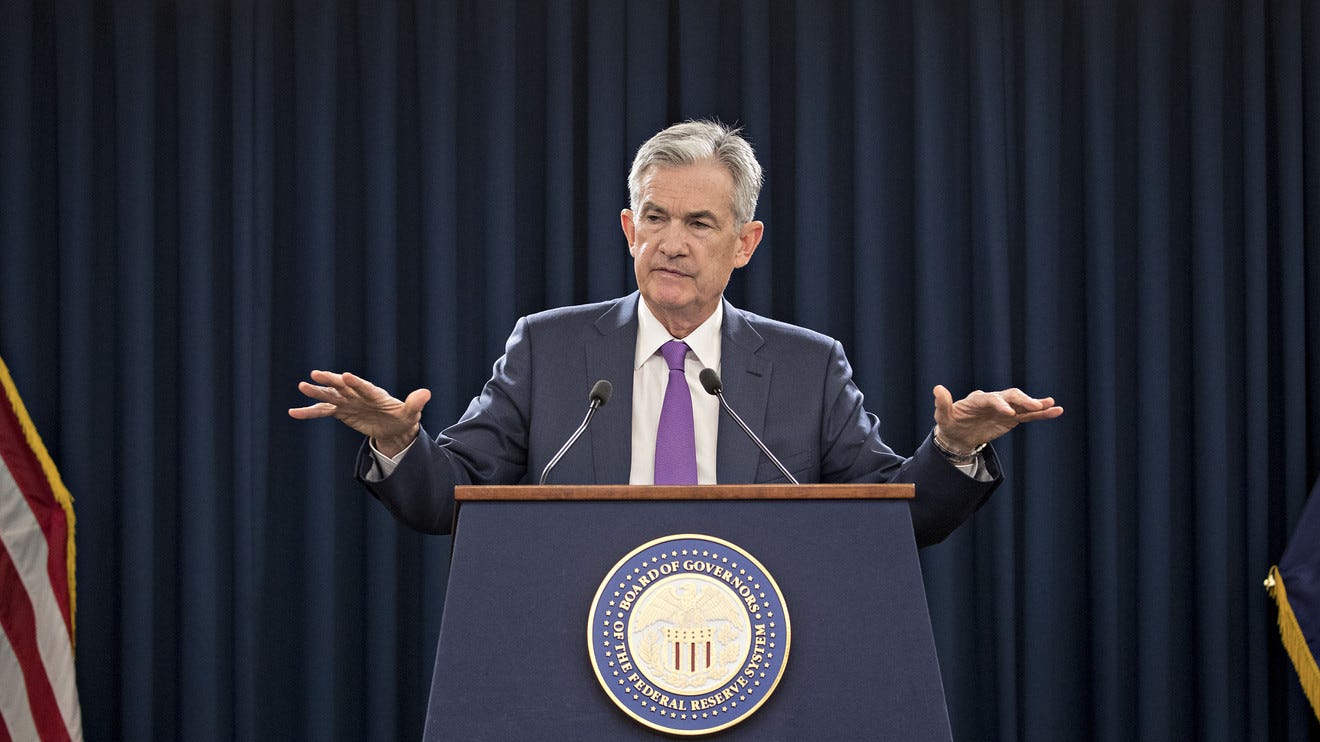
But Powell’s press conference afterward? That told a different story.
Rather than sounding confident or building momentum, the tone was cautious. This cut wasn’t about accelerating growth. It was about managing risk as conditions shift beneath the surface.
Here are a few things that stood out, and what they mean for multifamily owners and investors heading into 2026.
Dissent at the Table
One thing stood out immediately: dissenting votes. Several Fed members wanted to hold rates steady rather than cut.
The dissent itself isn’t the story. It’s what it signals about internal alignment. When the committee votes unanimously, you get a clearer policy path. When opinions diverge, you get a data-dependent, uneven outlook.
Translation: future rate adjustments will be slower and less predictable. Don’t expect a clean sequence of cuts.
Where “Neutral” Is Actually Settling
The Fed’s long-run rate projections continue trending higher than what we saw through the 2010s. Current estimates cluster around the low-3% range.
With today’s target already close to those projections, the runway for further cuts looks more limited than it did earlier this year. We’re not returning to near-zero rates anytime soon.
From an underwriting perspective, this is the new baseline. Build your models around it.
Liquidity Signals Beneath the Surface
The Fed also mentioned reserve management purchases. Technical language, but it matters. These aren’t labeled as quantitative easing, but they expand the balance sheet and add liquidity to the system.
Practically speaking, this should help stabilize funding markets and support lending activity, even with policy rates staying relatively elevated.
Looking Toward 2026
Rather than trying to predict the next six months, here’s a framework worth considering:
Expect variability, not a straight line. The rate path will be choppy and data-dependent.
Build flexibility into refinancing timelines. Nobody wants to be forced into a narrow window.
Underwrite to in-place yield and operational upside. Stop waiting for rapid rate compression to save the deal.
Be ready to move fast. Brief windows of favorable debt pricing will come and go. Position accordingly.
The broader shift is this: stop waiting on monetary relief. We’re operating in a normalized rate environment now.
Questions about bridge-to-perm timing have picked up significantly in recent weeks. Worth noting as you think through your own approach.
This is context, not prediction. Markets will respond to incoming data, and policy will follow.
Consider this framework as you evaluate financing, refinancing, and acquisition decisions in 2026.
Thanks for reading! Subscribe for free to receive new posts and support my work.